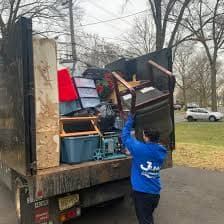
A modest bathroom renovation generates 2–3 dumpsters of debris. A kitchen renovation, 4–6. Whole-house remodels can hit 10+ dumpsters of waste. Homeowners in Gastonia, Monroe, Weddington, and Pineville planning renovations should figure out disposal early — not because it's complicated, but because it's expensive and regulated.
What counts as construction debris
Anything from renovation, demolition, or new construction — drywall, wood framing, tile, flooring, insulation, wiring, plumbing scraps, fixtures, cabinets, roofing material, concrete, brick. Mixed loads with household trash usually can't go in the same dumpster.
Disposal options
- Roll-off dumpster. The standard for larger jobs. Rented by the day or week. Some accept mixed C&D waste; others require sorted loads.
- Junk removal service. Better for smaller jobs, one-time cleanouts, or awkward-access sites.
- Contractor haul-away. Included in some contractor pricing; not in others. Always confirm before signing.
- Recycling facility drop-off. Cheapest option for material-specific waste (metal, concrete, wood).
The Solid Waste Association of North America tracks C&D (construction and demolition) waste as one of the largest recyclable waste streams — over 500 million tons annually in the U.S.
Recycling paths for common materials
- Concrete: Crushed for base material, aggregate, road bed
- Metal: Direct-to-scrap recycler (often pays you)
- Wood: Mulch, biomass, engineered wood products
- Drywall: Gypsum recycling where available
- Asphalt shingles: Road base (some regions)
- Cardboard/paper: Standard curbside recycling
The U.S. EPA recycling program maintains material-specific recycler directories, and the National Waste & Recycling Association tracks which member facilities accept which streams.
Hazardous materials in older homes
Homes built before 1978 may contain lead paint. Homes built before 1980 may contain asbestos in floor tile, insulation, or siding. Both require testing and specialized abatement — never in a regular dumpster.
The U.S. EPA hazardous waste program regulates lead and asbestos disposal specifically. Fines for improper disposal are substantial. The U.S. OSHA publishes companion worker-safety requirements that apply to any contractor working on these materials.
Permits and code compliance
Dumpsters left on streets typically require a permit — municipal parking regulations, sidewalk clearance, and safety cones. The International Code Council influences the municipal codes that regulate these, and cities enforce specifics. Check your city's building or public works department.
Scheduling and sequencing
For big renovations:
- Demo debris first — usually the heaviest, most concentrated waste
- Rough-in scrap (wiring, plumbing) mid-project — often small enough for regular trash
- Finish waste at project end — cabinetry, flooring, packaging
Multiple smaller dumpsters often cost less than one big one held for the whole project.
Damage prevention
Dumpsters and heavy contractor trucks stress driveways and landscape features. Wood blocking under dumpster feet, plywood driveway protection, and clear staging areas prevent expensive collateral damage. See the earlier discussion on dumpster damage in this series.
Special cases
- Flooded or fire-damaged materials. May be treated as hazardous depending on contamination. FEMA and EPA both publish disaster-cleanup guidance.
- Salvage value. Some renovation waste has resale value — architectural salvage yards take old doors, cabinets, fixtures.
- Reuse organizations. Habitat for Humanity ReStore accepts many construction items in usable condition.
Constructive debris disposal is a solved problem — the paths exist, the regulations are clear, and the recycling infrastructure is mature. What varies is homeowner awareness. Plan disposal at the same time you plan the renovation, and it's a routine expense. Wait until the last minute and it becomes a stress-inducing scramble.
The FEMA property protection program publishes companion guidance for major renovation projects that impact home structure and insurance status — worth reviewing for any large project.
Pineville Junk Removal Team
Our expert team has been serving Pineville and surrounding areas for over 12+ years, completing 500++ projects. We share our industry knowledge to help homeowners make informed decisions.